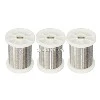
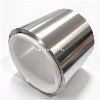
As the global semiconductor process moves towards advanced nodes of 3nm/2nm, precision titanium materials (ASTM B265/B348, Grade 1/2/5 high-purity titanium and titanium alloys) are upgrading from "auxiliary materials" to key strategic materials for semiconductor manufacturing, with core advantages such as ultra-high purity, ultra-low impurities, strong thermal stability, corrosion resistance, and non-magnetic properties. The market attention and demand are synchronously increasing.
Core driver: Advanced processes force material upgrades
Advanced semiconductor processes (5nm and below) require three major hard core requirements for materials: nanometer level precision, atomic level cleanliness, and extreme environmental stability:
-High purity titanium target material (Grade 1, purity ≥ 99.999%/5N): PVD sputtering core material, used for copper interconnect barrier layer, contact plug, to prevent copper atom diffusion from contaminating silicon wafers, directly determining chip yield and performance, suitable for the entire 130-3nm process.
-Precision structural components (Grade 2/5): lithography machine worktable, etching machine chamber, vacuum flange, wafer robotic arm, etc., with a low thermal expansion coefficient (8.6 × 10 ⁻⁶/℃) and a temperature fluctuation deformation of only 1/3 of aluminum alloy, ensuring nanometer level positioning accuracy.
-Corrosion resistant components (Grade 7): Resistant to strong acid/halogen corrosion in wet etching and cleaning equipment, without metal precipitation pollution, suitable for high vacuum and strong plasma extreme working conditions.
Core advantages of American standard titanium materials
1. Ultra high purity+ultra-low impurities: American standard Grade 1 high-purity titanium with controllable oxygen/nitrogen/carbon impurities<50ppm, no heavy metal pollution such as iron and nickel, meets SEMI F42 standards, and is suitable for advanced process atomic level cleanliness requirements.
2. Thermal stability+dimensional precision: low thermal conductivity (21.9W/(m · K)), small coefficient of thermal expansion, tolerance up to ± 0.005mm, surface smoothness Ra ≤ 0.4 μ m, suitable for nanoscale assembly and vacuum sealing.
3. Corrosion resistance+non-magnetic+low gas release: natural oxide layer self-healing, resistant to Cl ₂/F ₂/strong acid corrosion; Non magnetic and non interfering with precision circuits; The air release rate is extremely low under ultra-high vacuum (UHV), ensuring the cleanliness of the chamber.
4. Lightweight and High Strength: Density of 4.51g/cm ³ (40% lighter than stainless steel), Grade 5 tensile strength ≥ 930MPa, specific strength twice that of stainless steel, suitable for the lightweight requirements of high-speed moving parts.
Core application scenarios
-High purity titanium target material (Grade 1): PVD sputtering deposition, used for logic/storage chip barrier layer and adhesive layer, with a global market size of 1.87 billion US dollars in 2024 and a CAGR of 9.3% from 2026 to 2030.
-Vacuum chamber/flange (Grade 2): Vacuum system for etching and deposition equipment, resistant to high pressure, low gas release, and reliable sealing.
-Precision robotic arm/end effector (Grade 5): wafer transfer, lightweight and high-strength, precise positioning, and no particle shedding.
-Corrosion resistant lining/fixture (Grade 7): Wet process equipment, resistant to strong acids such as HF/HCl, extending equipment life and reducing maintenance costs.
Market trend: domestic substitution+technological breakthrough
The expansion of global semiconductor capacity (especially in Chinese Mainland) has driven the rapid growth of demand for precision titanium materials. In 2023, the market size of China's titanium precision parts for semiconductors will exceed 3 billion yuan, with an annual growth rate of more than 25%. Stable mass production of American standard Grade 1/2/5 precision titanium materials (including 0.05mm ultra-thin titanium foil, high-purity target materials, and precision structural components) has been achieved, with tolerances and purity reaching international advanced levels, helping the semiconductor industry chain to be independently controllable.
Under advanced processes and domestic substitution of dual wheel drive, precision titanium materials that meet American standards have become the core support for the upgrading of the semiconductor industry. In the future, they will continue to break through towards higher purity (6N), thinner specifications (≤ 0.05mm), and more precise machining (± 0.002mm).
Request a Quote
Email:bjcxtitanium@gmail.com
Whatsapp:+8613571718779